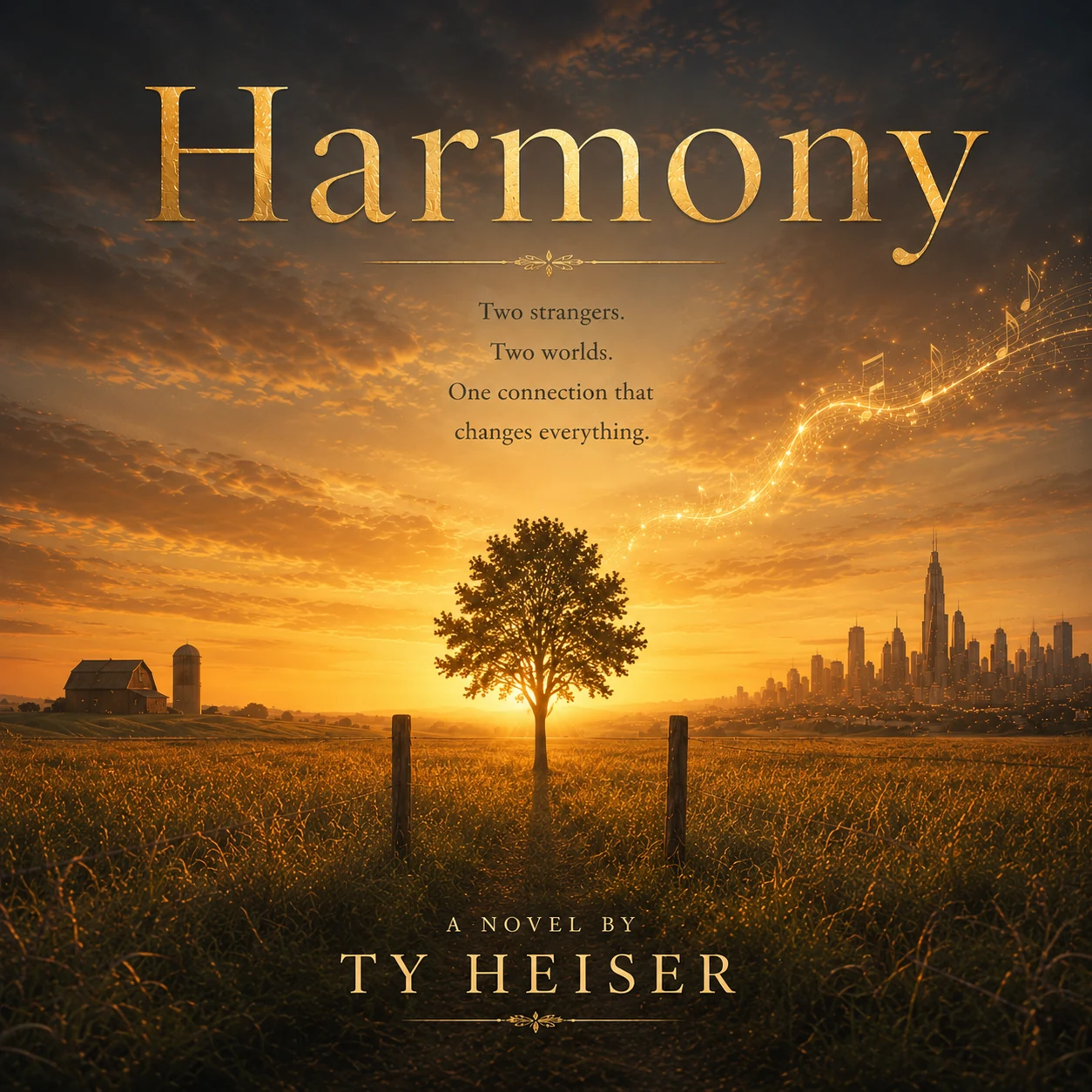
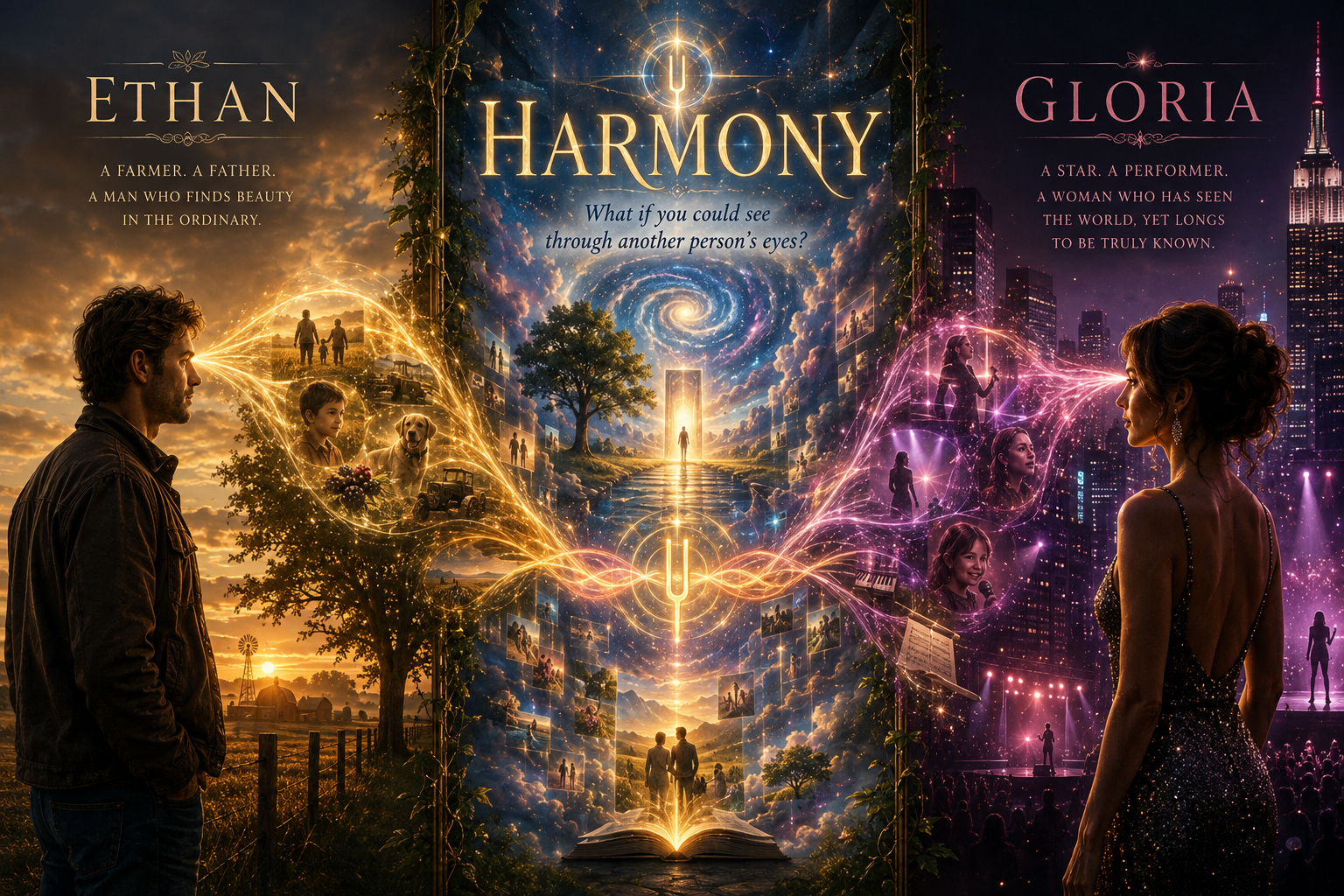
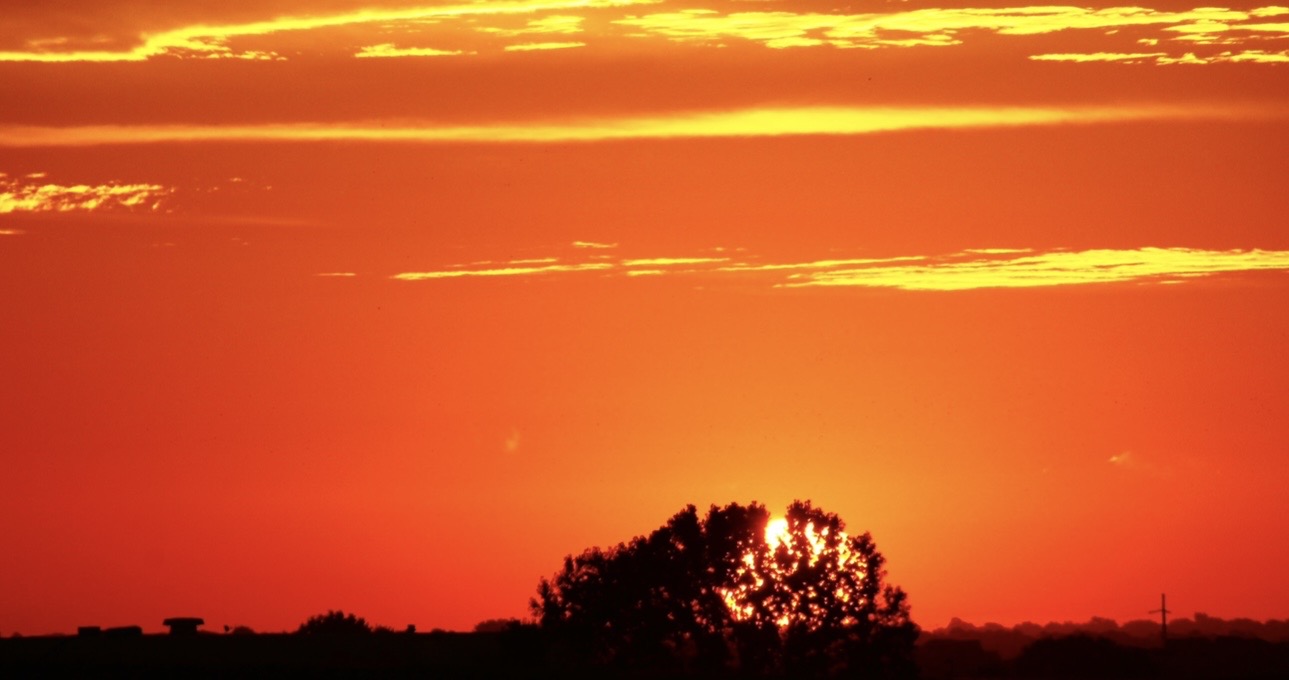
The wind reached the field before the music did. It moved through the dry stalks in long, uneven breaths, bending them toward the distant city and then letting them rise again. From the fence line, the lights on the horizon looked close enough to hold in one hand.
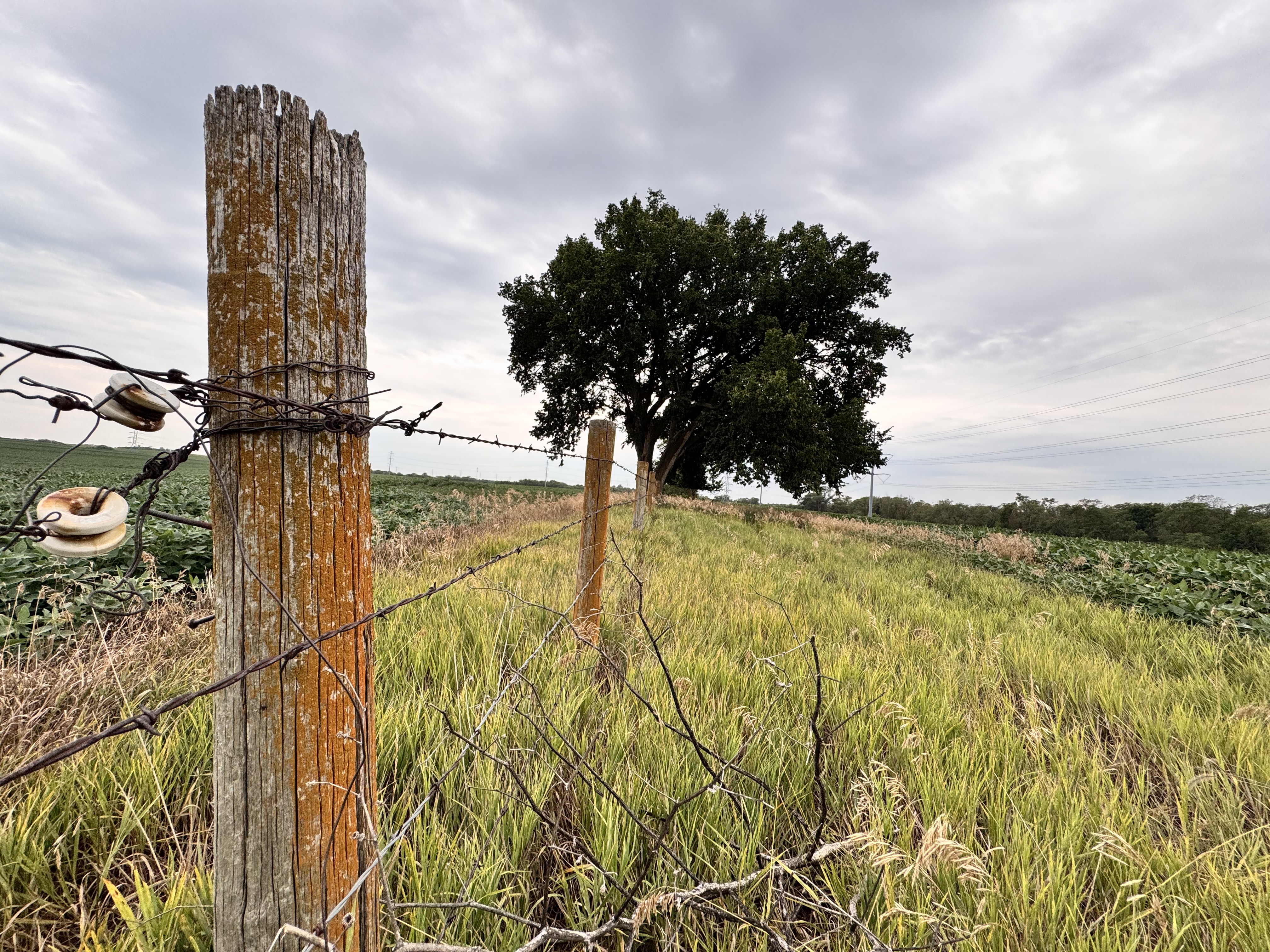
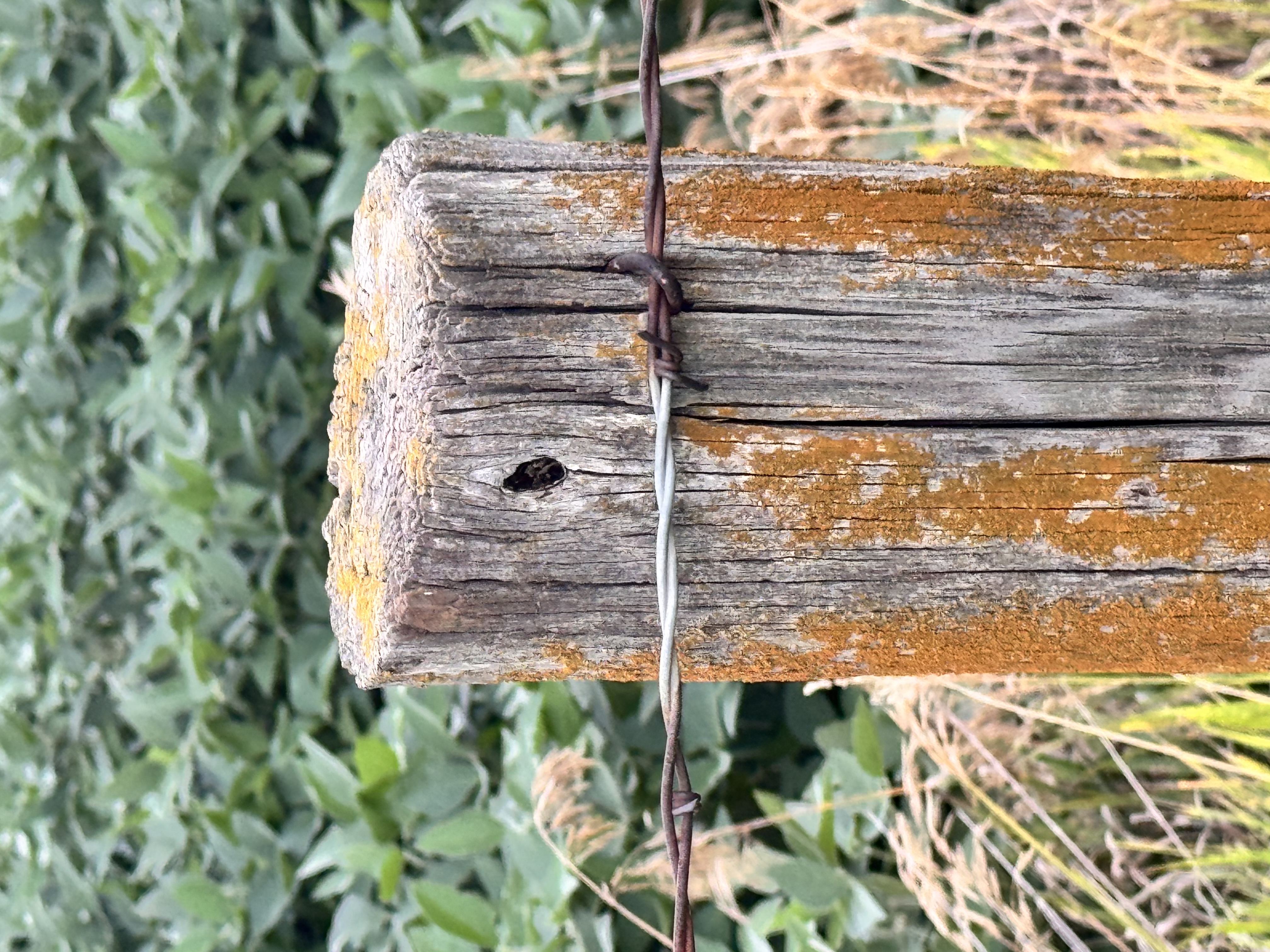
The melody arrived softly. Four notes, a pause, and then the same four notes returned with one of them changed. It was not loud enough to belong to the sky, yet there was no one else in the field. The sound seemed to travel along the wire fence, gathering warmth from every post it passed.
At the old tree, a folded page waited beneath a smooth stone. The paper had been creased twice and carried the faint scent of rain. Across the top, in careful handwriting, were the words: Some things can only be heard when neither person is speaking.
Below the sentence, the empty music staff held no notes. That was the invitation. Not a demand for an answer, and not a promise that everything would be simple—only a place for an answer to begin.
A pencil came from a coat pocket. For a long while, its point hovered over the page as the city shone on one side of the tree and the farmhouse windows warmed the other. Then one small note appeared on the first line. Another followed. The wind lifted the corner of the paper, impatient to carry the new melody somewhere neither of them had been.
By the time the sun reached the horizon, the field no longer felt like the distance between two worlds. It felt like the beginning of a road.